Table of Contents
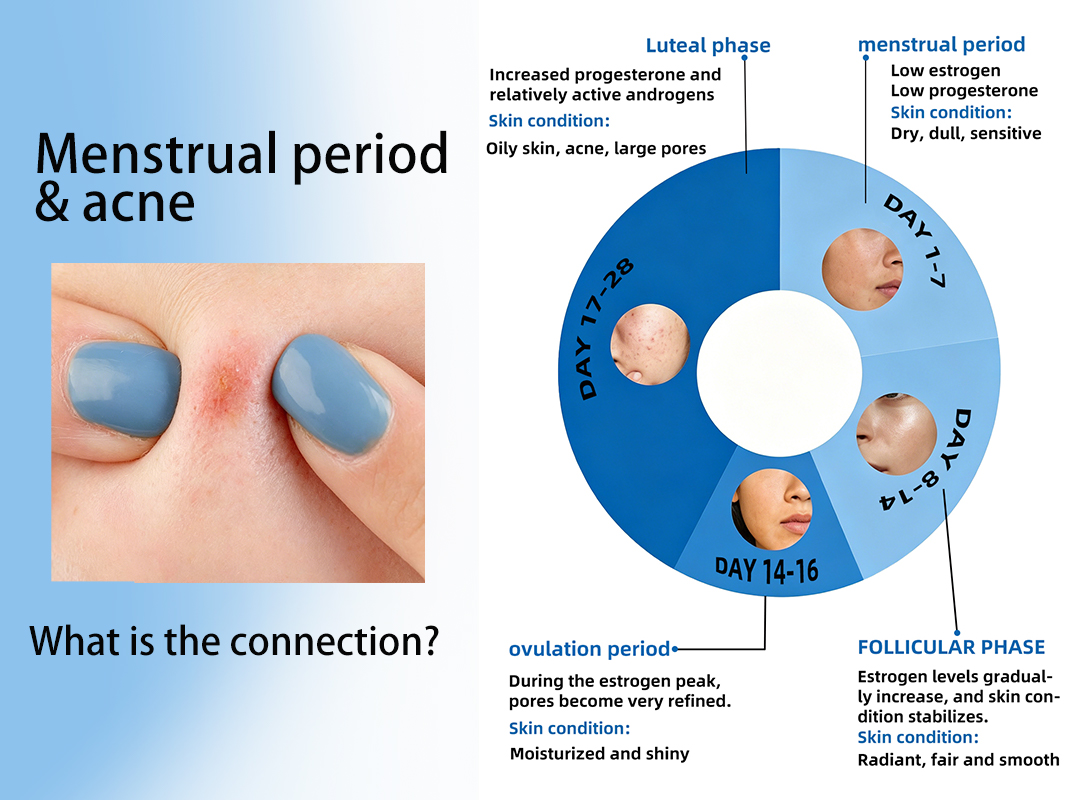
Many women have experienced this problem: despite diligent skincare routines, their skin seems to "act up" around their period, breaking out in acne, becoming oily, and dull. This isn't due to inadequate skincare, but rather the subtle hormonal fluctuations during the menstrual cycle that affect skin condition. There's a close link between acne and menstruation; understanding this pattern is key to precise skincare and avoiding period-related acne.
The core link between menstruation and acne: Hormones are in control
A woman's menstrual cycle is essentially a process of cyclical fluctuations in hormone levels, including estrogen, progesterone, and androgens. These hormones are the "key switches" that determine skin condition. Androgens and progesters have the most direct impact on acne and are the core reason for frequent breakouts during menstruation.
Simply put, acne is mainly caused by excessive sebum secretion, clogged hair follicles, and increased inflammation. Hormonal fluctuations directly affect these three aspects:
- 1. Androgens: One of the main acne culprits, they stimulate the sebaceous glands to secrete more oil, making the skin oily and providing a breeding ground for acne.
- 2. Progesters: Progesters levels rise significantly during the luteal phase, further stimulating sebaceous gland secretion and causing abnormal keratinization of the hair follicle duct, leading to narrowed pores. Excess sebum cannot be properly discharged, clogging the pores and forming blackheads and red, swollen pimples. Furthermore, progesters can exacerbate skin inflammation, causing previously dormant acne to erupt and worsen.
- 3. Estrogen: It's a "good friend" to the skin, promoting collagen synthesis, maintaining the skin barrier, and inhibiting excessive sebum secretion, keeping the skin hydrated and smooth. However, during menstruation, estrogen levels drop to their lowest point of the entire cycle, weakening its protective effect on the skin. The skin barrier becomes fragile, making it prone to dryness and sensitivity, and previously formed acne may be difficult to clear up.
In short: Hormonal fluctuations during the menstrual cycle directly affect sebum secretion, pore condition, and inflammatory responses. This is why acne often "breaks out" with the menstrual cycle, especially before and during menstruation, when the probability of breakouts significantly increases.
Skincare Guide for Different Menstrual Cycles
Since hormonal fluctuations are the core influencing factor, the key to skincare is not a "one-size-fits-all" approach, but rather to "go with the flow" according to the menstrual cycle—choosing appropriate skincare products based on the skin's condition at each stage, gently conditioning the skin, which can reduce acne breakouts and protect the skin barrier.
Phase One: Menstrual Period (Days 1-7) – Soothing Repair, Gentle Moisturizing
Skin Condition: Estrogen and progesterone levels are at their lowest, the skin barrier is fragile, prone to dryness, sensitivity, and peeling. Some people may experience persistent acne breakouts, and skin tone may become dull. Tolerance to irritating ingredients is extremely low.
Skincare Focus: Gentle cleansing, soothing repair, basic moisturizing. Avoid any irritating ingredients to reduce skin burden and help repair the skin barrier.
Recommended Skincare Products:
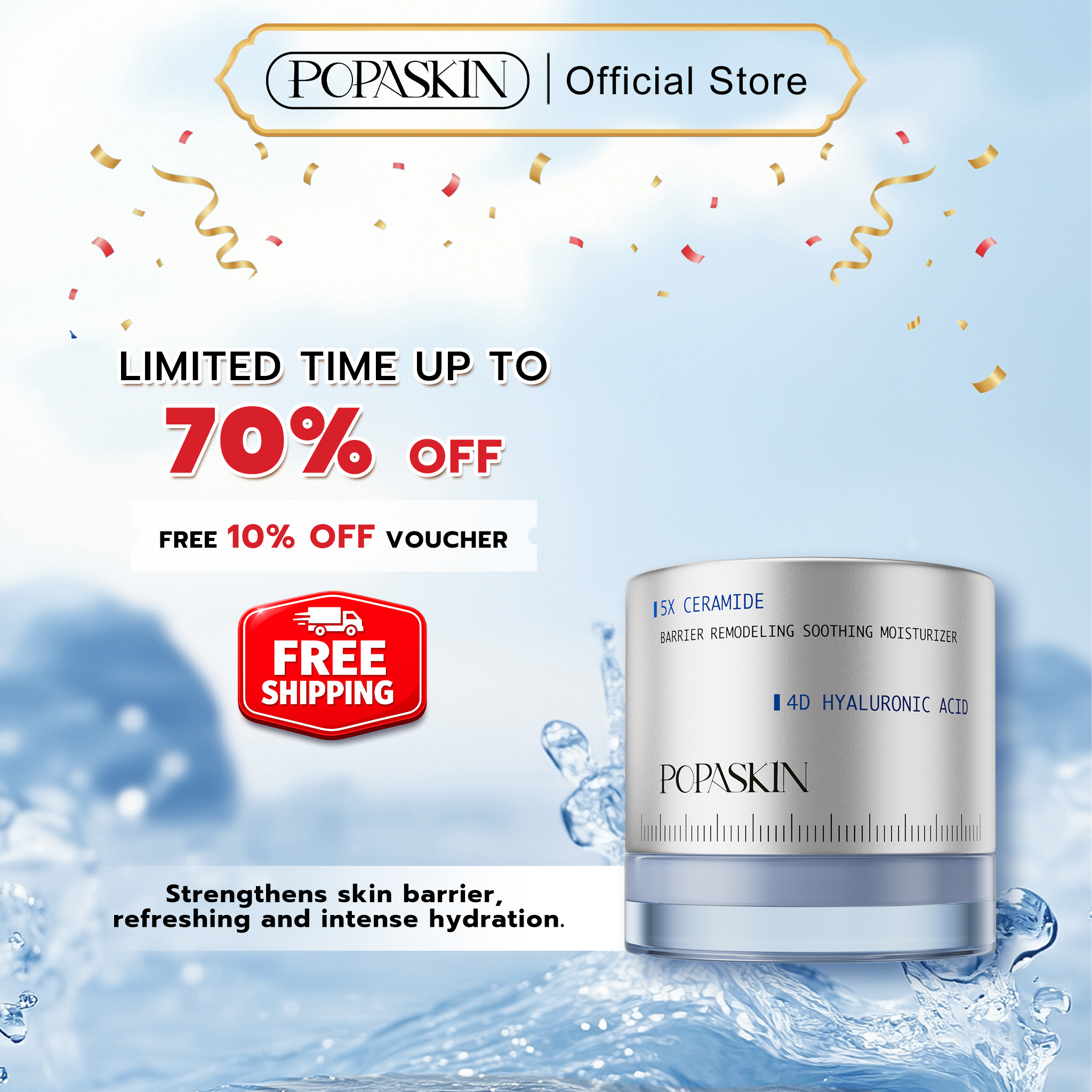
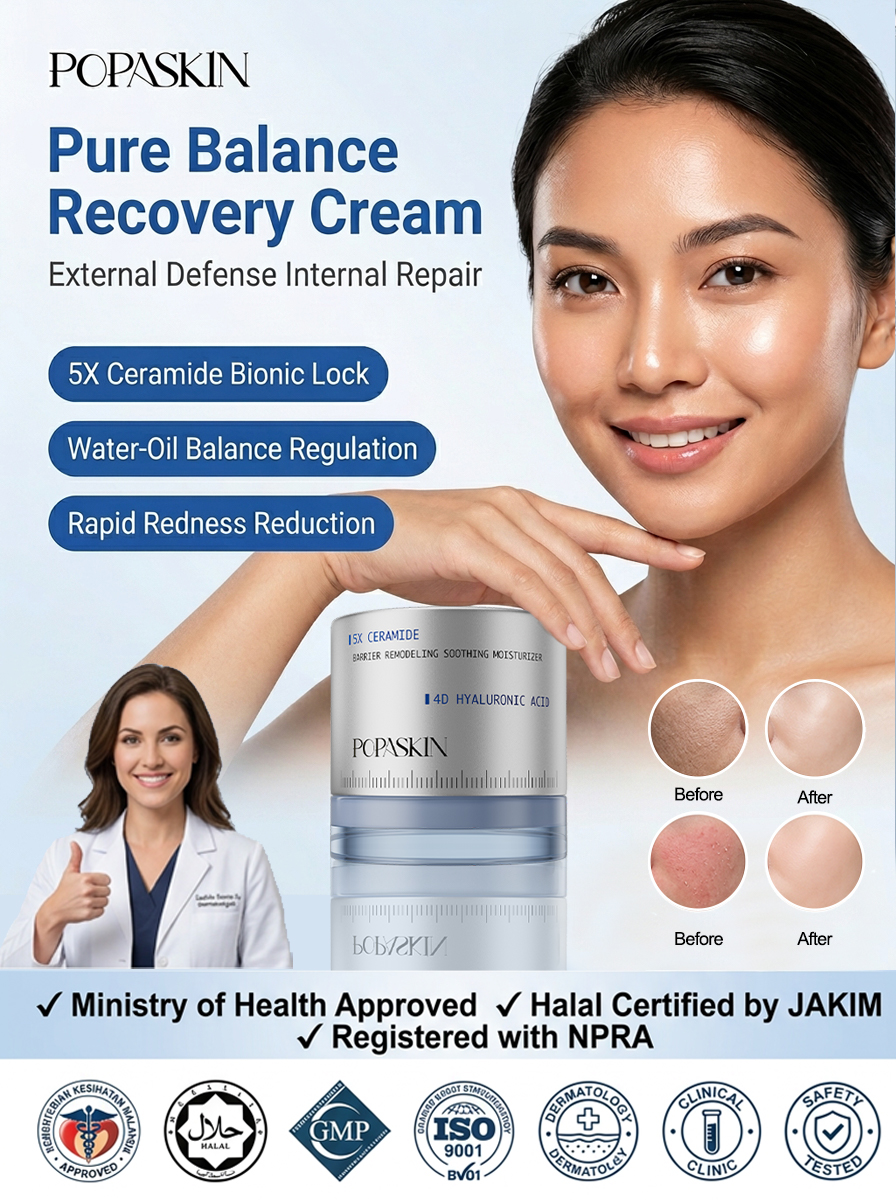
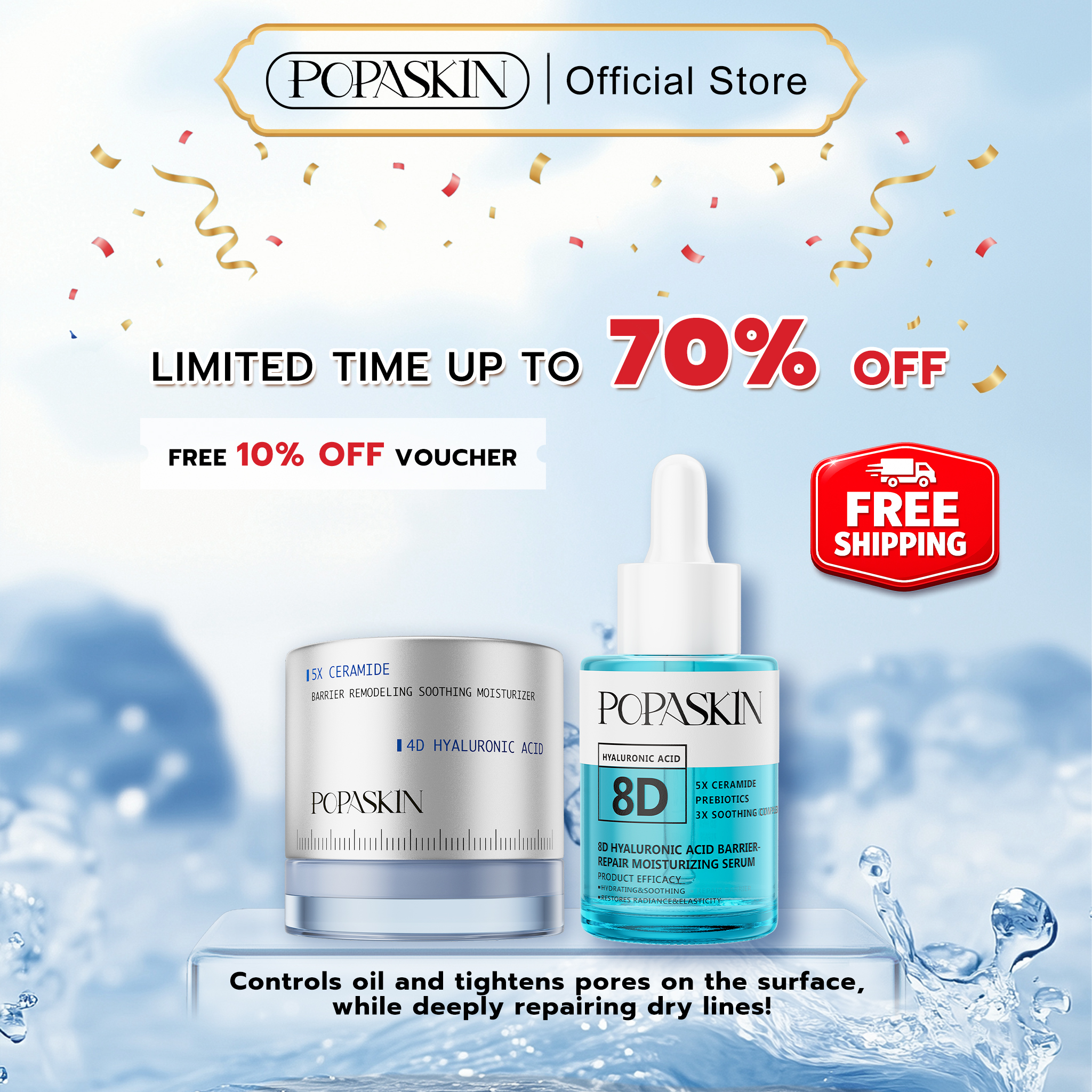
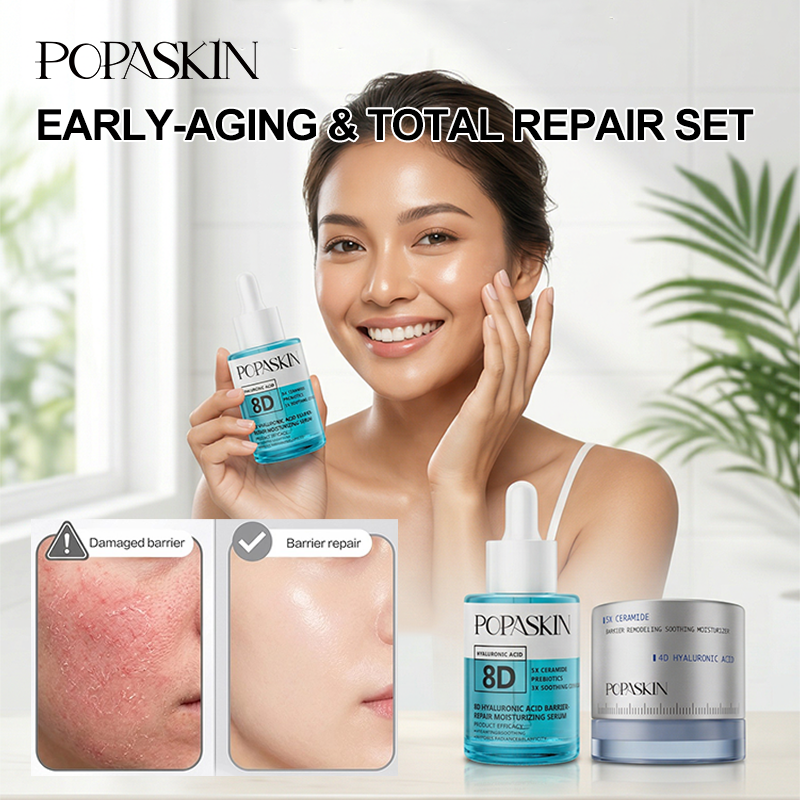
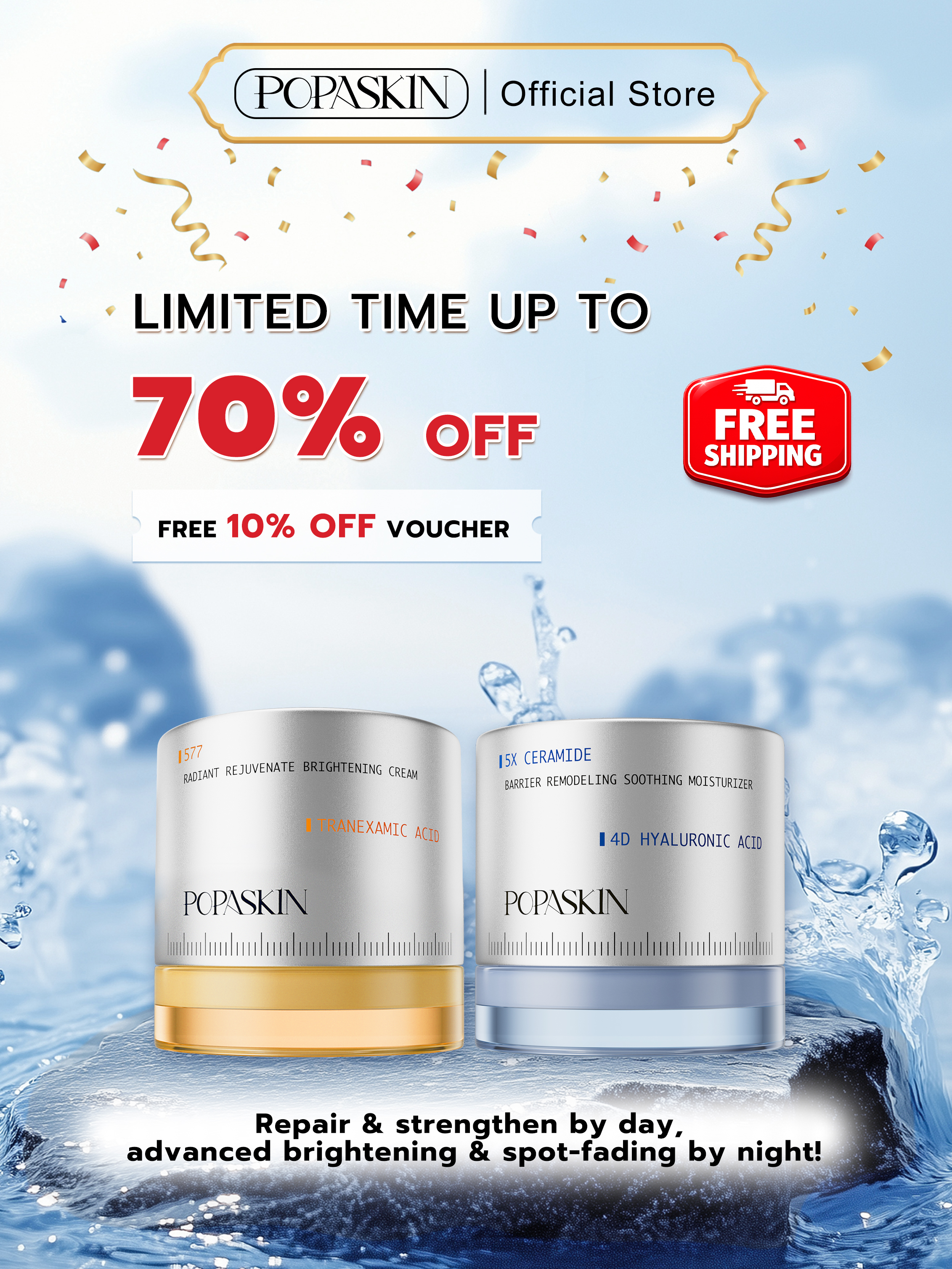
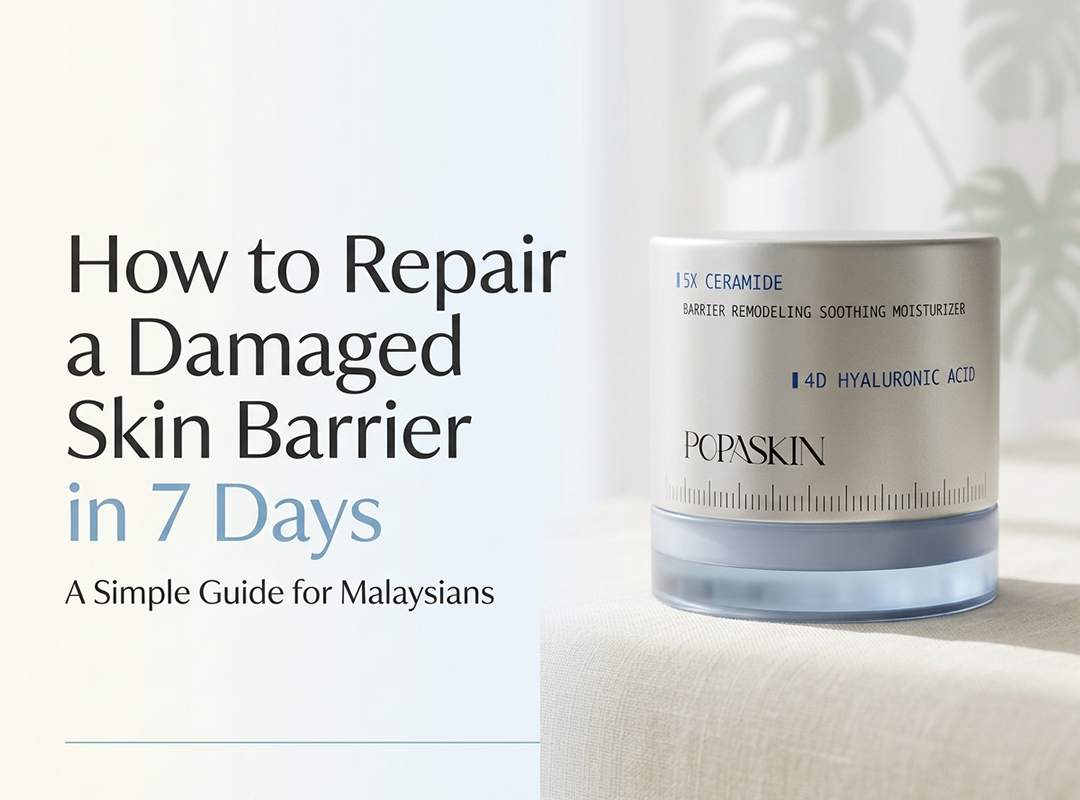
POPASKIN 5X CERAMIDE BARRIER SOOTHING MOISTURIZER
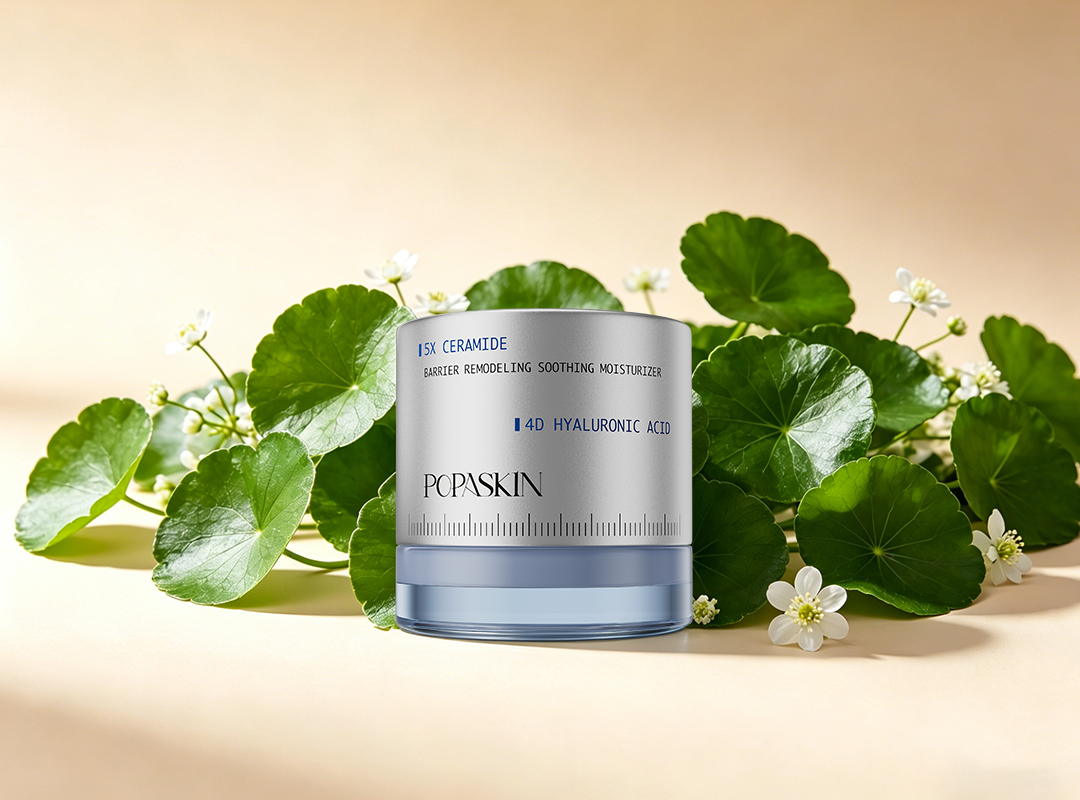
This product contains ingredients such as ceramides and centella asiatica, which can be absorbed instantly and are gentle and non-irritating to the skin. It is suitable for the skin care needs of focusing on hydration and repairing the skin barrier during menstruation.
Phase Two: Follicular Phase (Days 8-14) – High-Efficiency Skincare, Consolidating Skin Condition
Skin Condition: Estrogen levels gradually rise, the skin barrier function recovers, metabolism accelerates, and the skin becomes hydrated, smooth, and radiant. Sebum secretion tends to be balanced, and absorption capacity reaches its peak. This is the best skin condition in the entire cycle and the golden period for high-efficiency skincare.
Skincare Focus: Basic skincare + functional skincare. Appropriately enhance the effects of skincare products to improve skin tone, refine pores, and lay the foundation for subsequent skin condition.
Recommended Skincare Products:
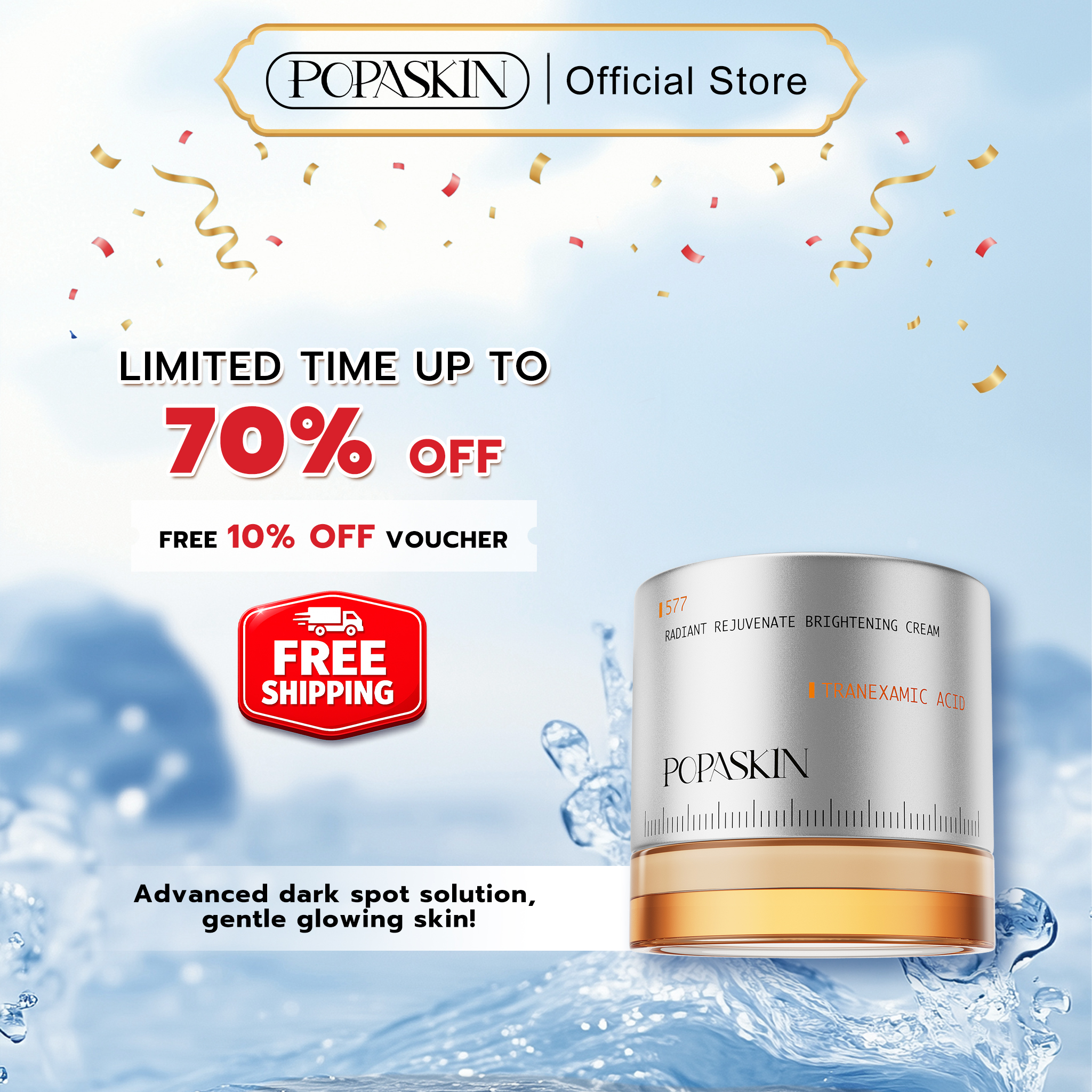
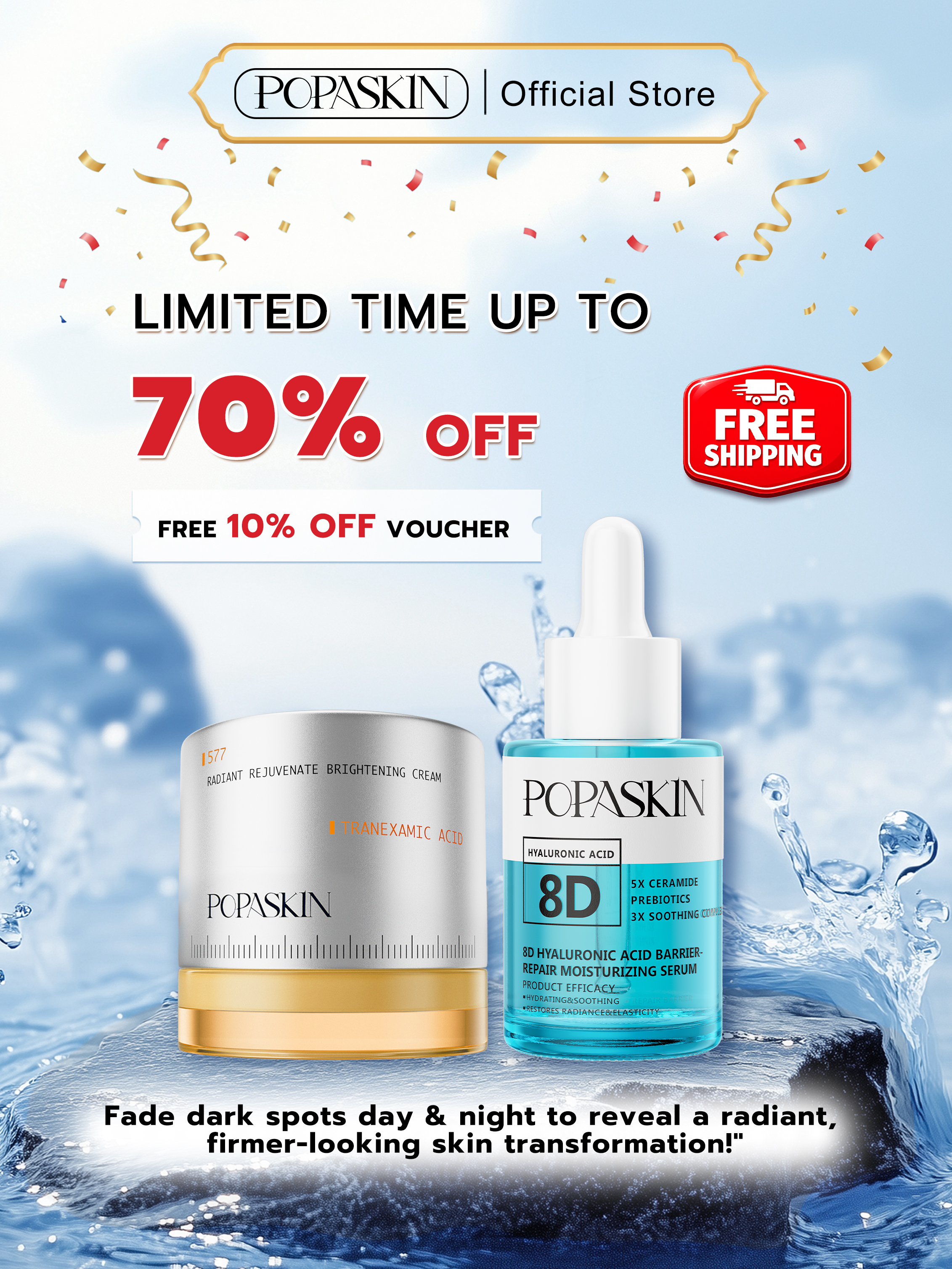
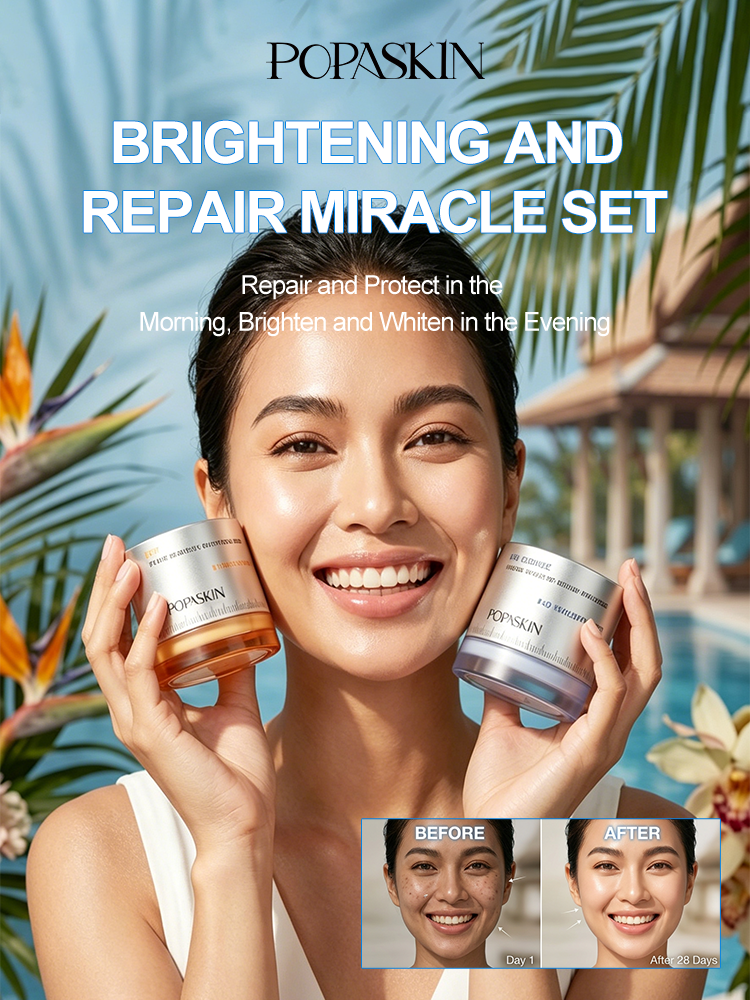
POPASKIN RADIANT REJUVENATE BRIGHTENING CREAM
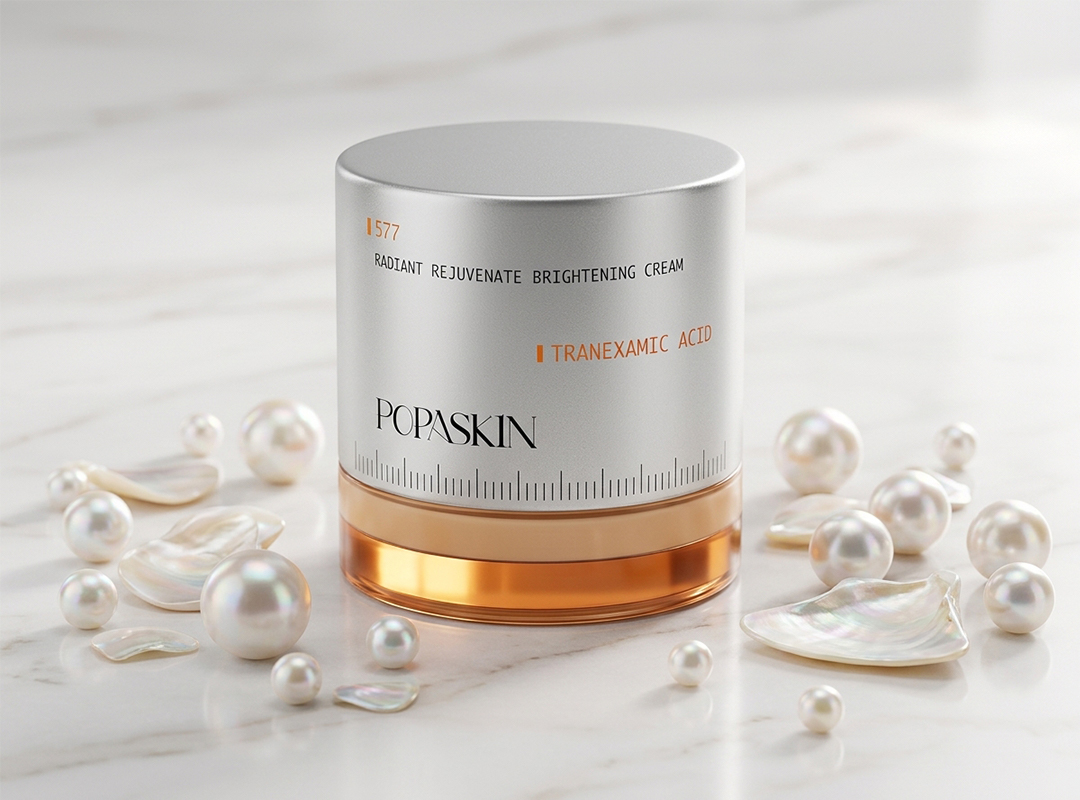
This product contains ingredients such as 577, niacinamide, vitamin C derivatives, licorice extract, and pearl extract. These ingredients work synergistically to inhibit, break down, and metabolize melanin, doubling the whitening effect and comprehensively brightening the complexion for a truly radiant glow.
The follicular phase is the optimal time for women's skincare, making it ideal for functional skincare routines. Using this whitening cream can promote skin cell renewal, resulting in healthier and more radiant skin.
Phase Three: Ovulation Period (Days 15-21) – Oil Control and Stabilization, Preventing Breakouts
Skin Condition: Estrogen levels remain high, and overall skin condition is still good. However, testosterone and luteinizing hormone levels are elevated, leading to slightly increased sebum production and slightly enlarged pores in some individuals. A few may experience sporadic breakouts, especially those with oily skin.
Skincare Focus: Oil control and stabilization, preventing clogged pores, while maintaining skin radiance and avoiding oil buildup that can trigger breakouts.
Recommended Skincare Routine & Products:
- Cleansing: Double cleansing (makeup remover + facial cleanser) is recommended, focusing on removing surface oil and residue to prevent clogged pores; choose a gentle, oil-controlling cleanser.
- Moisturizing: Use a refreshing toner and oil-controlling lotion, avoiding overly heavy creams, to maintain skin's oil-water balance.
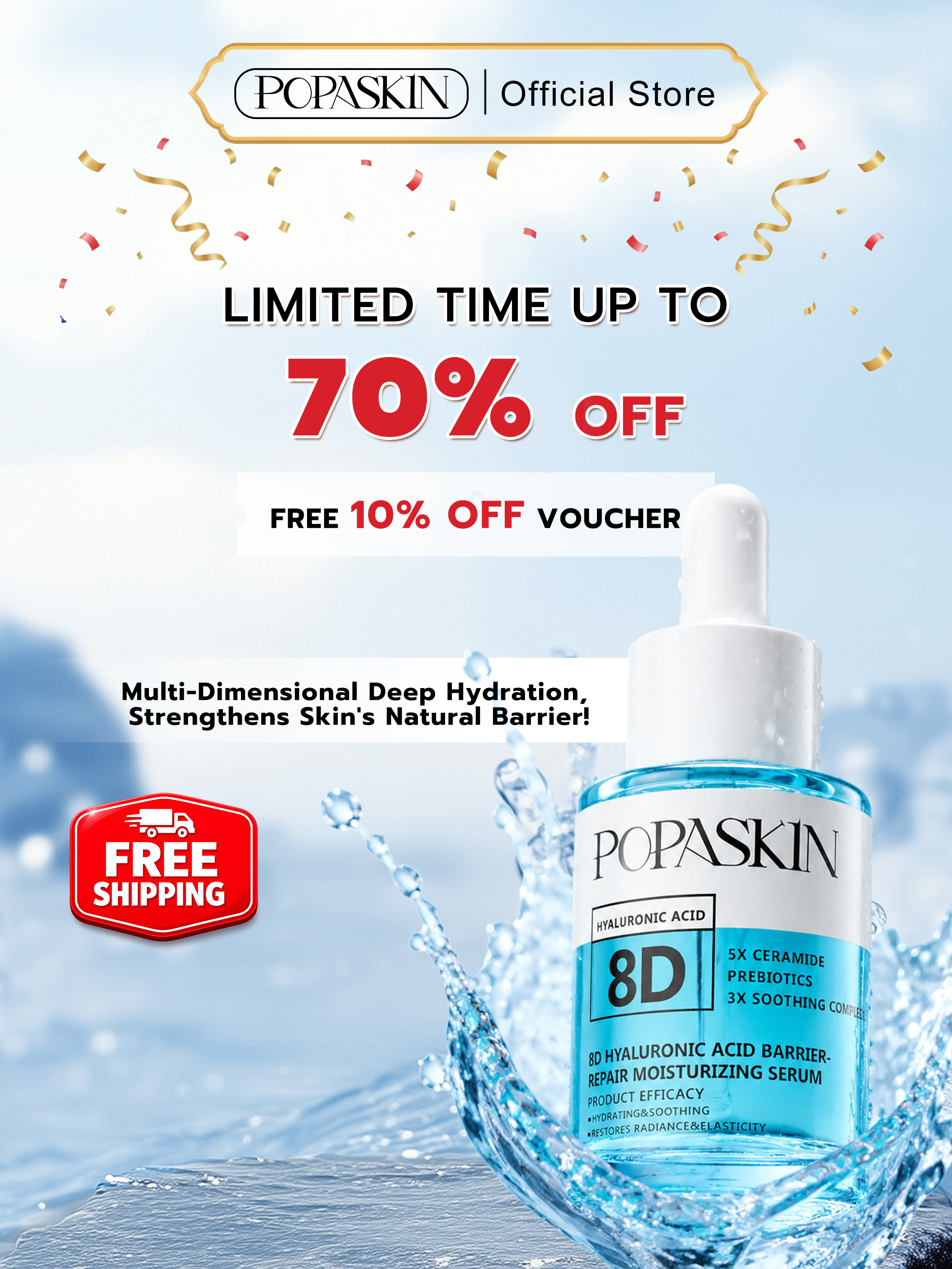
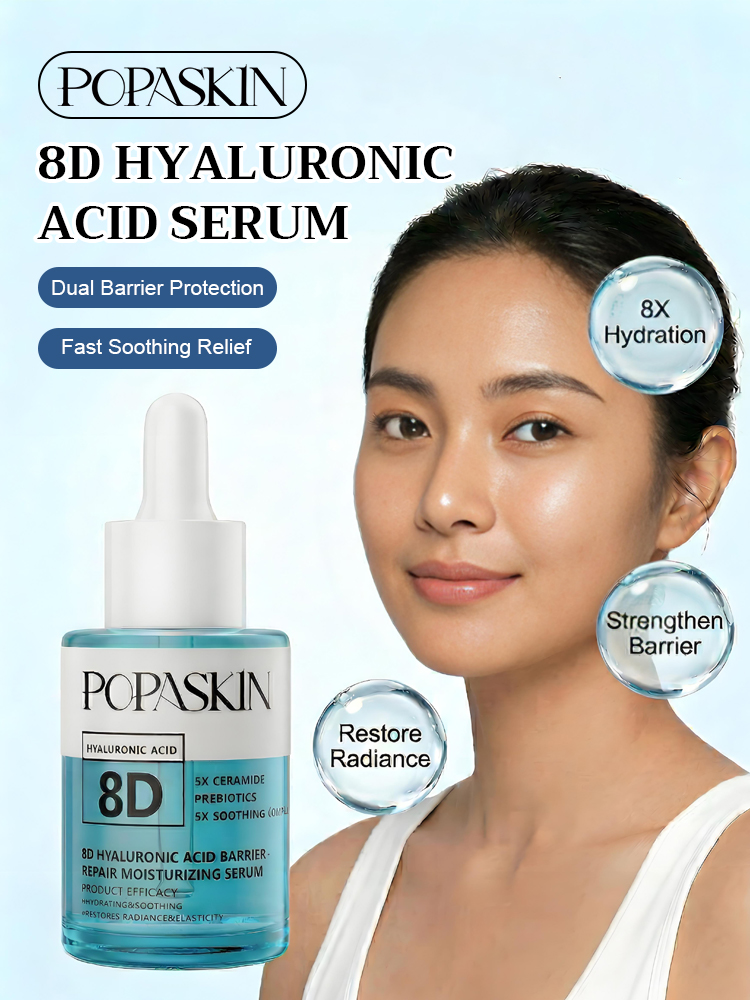
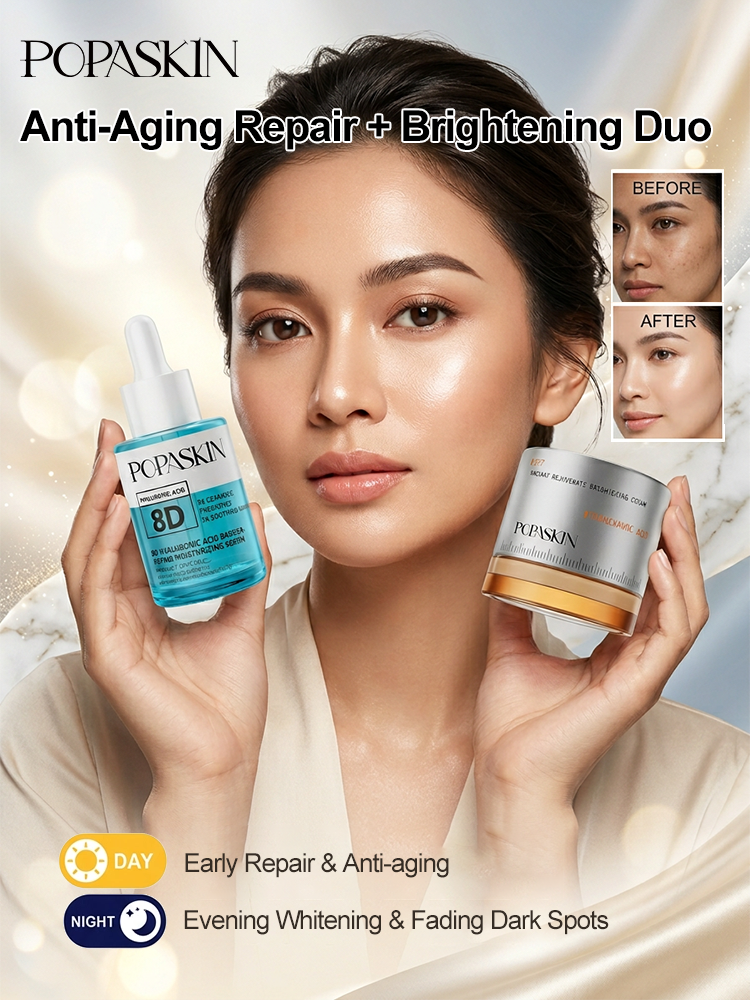
POPASKIN 8D Hyaluronic Acid Barrier Repair Serum
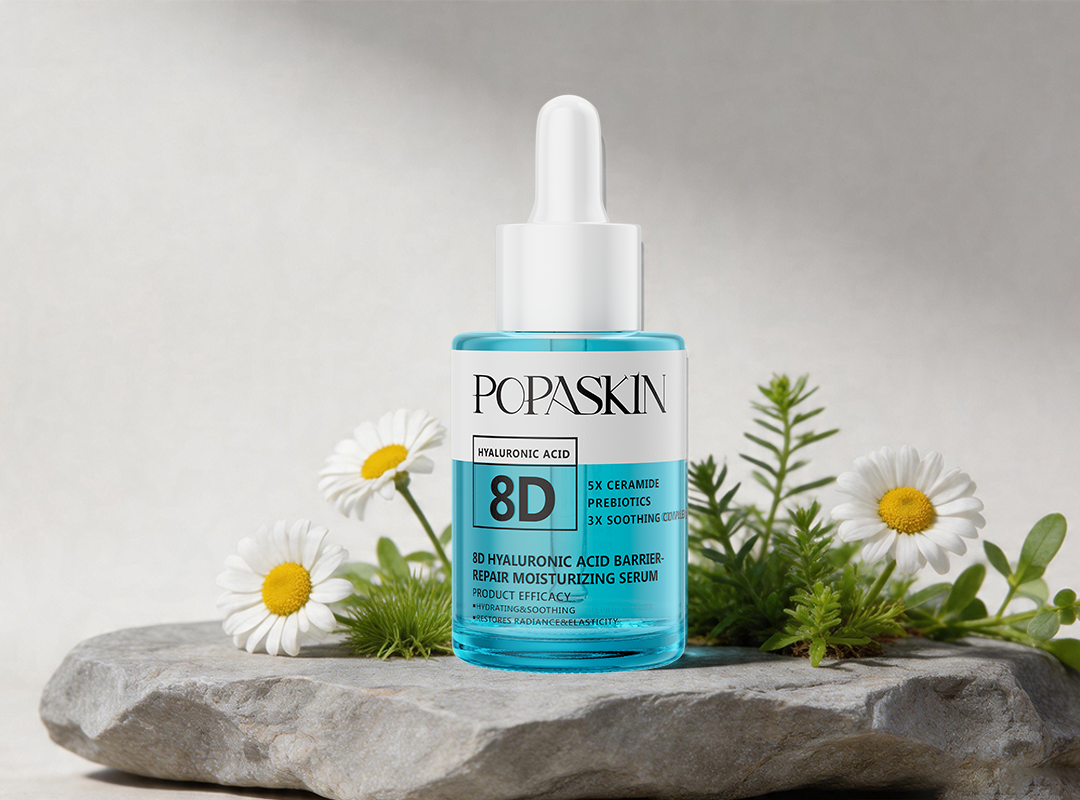
The core ingredient of this product, 8D hyaluronic acid, provides powerful hydration from surface moisture retention to deep plumping, effectively smoothing fine lines and improving firmness. It is most suitable to use this product during ovulation.
Phase Four: Luteal Phase (Days 22-28) – Oil Control & Anti-Inflammation, Targeted Acne Treatment
Skin Condition: Increased progesterone levels and decreased estrogen levels lead to increased sebum production, resulting in oily skin, enlarged pores, slowed cell metabolism, and accumulated dead skin cells, making pores highly prone to clogging. This is a peak period for acne breakouts (commonly known as "premenstrual acne"). Some individuals may also experience skin sensitivity and puffiness.
Skincare Focus: Oil control, anti-inflammation, and unclogging pores. Targeted prevention and improvement of acne while avoiding skin irritation and preventing worsening of inflammation.
Recommended Skincare Routine:
- Cleansing: Gentle oil-controlling cleanser. Double cleansing daily (especially after makeup or sunscreen) is recommended to ensure clear pores; avoid over-cleansing to prevent damage to the skin barrier.
- Moisturizing: Lightweight, oil-free moisturizing toners and lotions. Focus on hydration without burdening the skin; avoid heavy, rich creams.
- Acne-fighting and anti-inflammatory: Local acne treatments containing salicylic acid (to unclog pores) can be combined with anti-inflammatory serums (such as those containing centella asiatica or panthenol) to relieve skin inflammation; acid-based products and retinol should not be used on the same day.
Cautionary reminder: Avoid using overly moisturizing or oily skincare products, and reduce the layering of high-concentration functional ingredients to prevent further burdening the skin.
Say Goodbye to Menstrual Acne by Following Your Menstrual Cycle Skincare Routine
The skin fluctuations caused by your menstrual cycle aren't a nuisance; they're your skin sending signals to your body. Acne isn't caused by inadequate skincare, but rather by hormonal imbalances. Understanding the fluctuations in estrogen and progesterone, and choosing the appropriate skincare products based on your skin's condition at each stage, can gently regulate and precisely address your needs, effectively reducing menstrual acne breakouts and keeping your skin stable throughout the cycle.
Final Reminder: Everyone's skin type and hormone levels are different. The above recommendations are general guidelines and can be adjusted based on your individual skin reactions. If acne is severe, recurring, or accompanied by irregular menstruation, hirsutism, or other issues, it's recommended to consult a dermatologist or gynecologist to rule out endocrine problems.